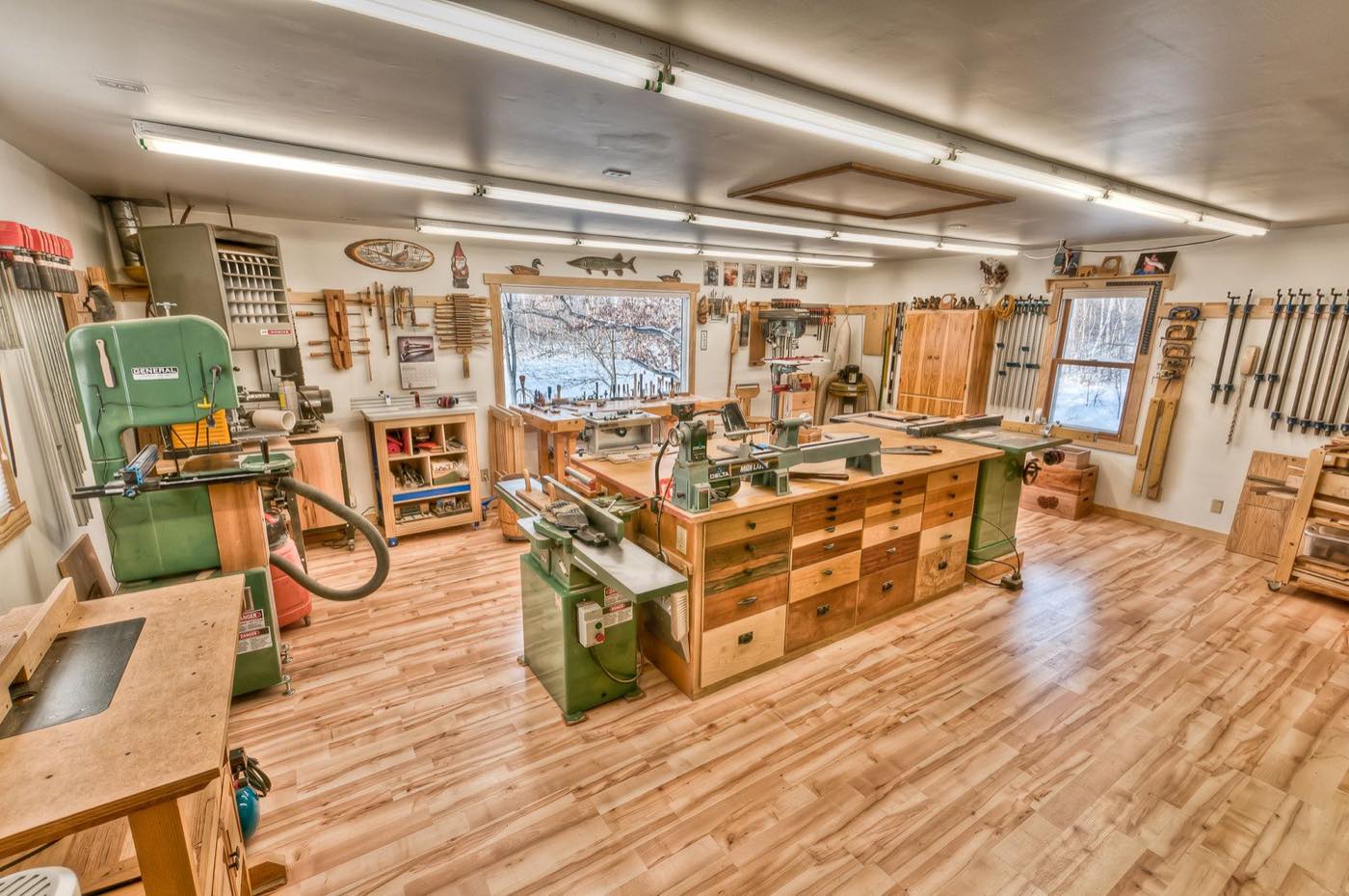
Our carpenters and joiners work across London on everything from structural first-fix to fine finishing: bespoke fitted wardrobes and alcove units, doors, skirting and architrave, staircases, sash window repair and period mouldings. As one accountable contractor we run the joinery, decorating and any associated works under a single fixed written quote, matching original profiles in period stock and building new joinery to last. For landlords, letting agents and homeowners that means one point of responsibility, one guarantee and no trades blaming each other when something needs putting right.
Written Guarantee: 10 Years
|
Average Timeline Range: 2 days - 4 weeks
First-Fix and Structural Carpentry
Carpentry runs through a London refurbishment in two stages, and the first is hidden. Structural and first-fix carpentry — floor joists, roof timbers, studwork, door linings, noggins and grounds — is the skeleton everything else hangs on, and getting it level, square and properly fixed is what makes the finishing trades look effortless later. A door that will not stay shut and a floor that bounces underfoot in a first-floor flat almost always traces back to first-fix carpentry done in a hurry.
We repair and replace defective joists and floor structures — a recurring problem around London bathrooms and kitchens where historic slow leaks have quietly rotted the timber under the boards — sistering and strengthening undersized or notched members and forming the studwork and linings that partitions, kitchens and bathrooms are built onto. In Victorian and Edwardian terraces we deal with the notched-out joists left by decades of pipe and cable runs, and with the sagging that comes from undersized original timbers.
Where structural timber is involved we work to the engineer’s details and to Building Regulations and building-control requirements, and the timber we use is correctly graded and treated rather than whatever is cheapest on the merchant’s rack. In flats and mansion blocks we flag early where work may need the freeholder’s licence to alter, so it is dealt with before the boards go down rather than after.
Bespoke Joinery, Wardrobes and Alcove Units
The joinery that makes a London home feel finished is rarely off the shelf. Chimney-breast alcoves, awkward eaves, sloping period ceilings and the non-standard room widths of a converted terrace or ex-LA flat defeat flat-pack, which is exactly where bespoke joinery earns its place. We design and build fitted wardrobes, alcove cabinetry and bookshelves, window seats, media units and under-stair storage made to the actual dimensions of the room rather than forced to fit and packed out with filler.
Units are built to take a painted or veneered finish, scribed tight to walls that are never quite plumb, and detailed — shaker doors, beading, cornice and plinth — to suit the property’s period, whether that is a Georgian townhouse in Islington or a 1930s semi in the suburbs. We build in MDF and moisture-resistant board where appropriate and hardwood where it shows, and we coordinate with our own decorators so fitted joinery is sprayed or hand-painted to a furniture finish rather than left for someone else to brush over.
For landlords and letting agents, robust fitted storage that survives tenancy turnover is a better spend than flat-pack that racks and sags within two lets. For homeowners, bespoke joinery is one of the few refurbishment items that reliably adds value in a period London property, because buyers read it as quality and as space they do not have to solve themselves.
Sash Window Repair and Period Timber Windows
Original box sash windows are one of the defining features of London’s Victorian, Georgian and Edwardian stock, and for most of them repair is the right answer rather than replacement. We ease and re-cord jammed sashes, renew broken cords, weights and pulleys, splice or replace rotten cills, staff beads and parting beads, and overhaul the boxes so the windows run smoothly and lock properly again. Draught-proofing with discreet brush seals cuts the rattle and the heat loss without changing the appearance.
This matters most in conservation areas and on listed buildings, where the local authority frequently requires original timber windows to be retained and repaired rather than swapped for uPVC or aluminium — and where doing the wrong thing can mean enforcement and reinstatement at your own cost. Repair keeps the property’s character and the slim sightlines that plastic can never replicate, and it is usually cheaper than full replacement.
We replace only sashes and boxes that are genuinely beyond saving, and where new timber is needed we match the original glazing bar and moulding profiles so the result reads as the building’s own fabric. Casement windows, fanlights and timber front doors get the same treatment: repaired, draught-proofed and made good rather than needlessly torn out. We will tell you honestly which of your windows are worth saving and which are not.
Doors, Mouldings, Staircases and Fine Finishing
The fine finishing carpentry is what people actually notice, and it is where sloppy work shows most. We hang and adjust internal and external doors so they close cleanly, sit even in the frame and lock properly, and we fit and match skirting, architrave, dado and picture rails — replicating original period profiles where a section is missing rather than introducing a modern off-the-shelf mismatch that jars against the rest of the room. Decades of paint can be carefully stripped from buried mouldings to bring their detail back.
We repair and rebuild staircases — replacing worn or split treads, curing the squeaks and creaks that plague terraced houses, and renewing balustrades, handrails, spindles and newel posts to match the original. Where a stair needs to meet current guidance on balustrade heights and gaps we do so while keeping the character of the flight intact.
For flats and HMOs we supply and fit certificated FD30 and FD60 fire doorsets with the correct intumescent strips, cold-smoke seals, closers and ironmongery, so they pass building-control and licensing inspection rather than being condemned and redone. All of this fine work is set out in the fixed written quote, so you know before we start exactly what is being matched, replaced and finished.
How to Choose a Carpenter or Joiner in London
The right choice depends on the job, and the biggest early decision is bespoke joinery versus off-the-shelf. If your rooms are square and standard, flat-pack or a fitted-furniture chain may be fine. But in a period terrace with out-of-square walls, chimney-breast alcoves and sloping ceilings, bespoke joinery scribed to the actual room is the only thing that looks built-in rather than bought and wedged, and it is worth paying for.
Second, match the trade to the work. Structural first-fix, sash restoration and fine cabinetmaking are different skills; a good general carpenter is not automatically a good sash specialist. Ask to see relevant examples — photographs of alcove units, a sash overhaul, a matched moulding — rather than a generic gallery.
Third, insist on a fixed written quote that specifies materials, profiles, finish and who is doing the decoration, so nothing is left to “we’ll sort that on the day”. Vague verbal prices are where disputes start. Fourth, confirm insurance and accountability: a contractor carrying £5m public liability who runs joinery, decoration and any associated works under one guarantee means a single point of responsibility, which matters far more than the cheapest day rate.
Finally, check the practicalities early — parking and access for a Victorian street, the freeholder’s licence to alter in a leasehold flat, and whether conservation-area or listed status governs the windows and front door. Getting these agreed up front is the difference between a smooth job and a stalled one.
Carpentry for London’s Period and Modern Stock
London’s building stock is unusually varied, and good carpentry respects what it is working with. In Victorian and Edwardian terraces across Hackney, Wandsworth, Camden and beyond, that means matching deep skirtings, ogee architraves and moulded picture rails, keeping box sashes alive, and dealing honestly with lath-and-plaster and undersized original joists. Georgian townhouses demand restraint and accurate profiles; a clumsy modern moulding in an eighteenth-century room is immediately wrong.
Mansion-block flats in Kensington, Maida Vale and St John’s Wood bring their own constraints — communal access, strict freeholder rules, and neighbours above and below who feel every hammer blow — so work is planned around agreed hours and clean, contained working. Ex-local-authority and 1960s–80s flats often need robust, practical joinery and fire-rated doorsets rather than fine restoration, particularly where they are let.
New-build and recently converted flats tend to need snagging-grade finishing carpentry: doors that were never hung properly, skirting with open mitres, and storage the developer skimped on. Whatever the era, we bring the right approach rather than one-size-fits-all — heritage repair where the building deserves it, hard-wearing practicality where a property is working as a rental, and clean, accurate finishing everywhere. Working as one contractor across trades, we also make sure carpentry ties into the plastering, decorating and electrics around it instead of being handed over half-finished.
Timber, Fire Safety and the Standards We Work To
Timber choice is not a detail — it decides how long the work lasts. We use correctly graded structural softwood for first-fix and joist work, moisture-resistant board and hardwoods where joinery meets damp or wear, and standard MDF only for internal, dry, painted joinery. Getting this wrong is why so much cheap fitted furniture swells, cracks its paint and sags: the wrong board in the wrong place near a London bay window or bathroom fails within a couple of winters.
Structural carpentry is carried out to Building Regulations and, where relevant, to a structural engineer’s details, with building-control sign-off where the work requires it. Fire safety is a legal issue in flats, HMOs and let property: we supply and fit certificated FD30 and FD60 doorsets complete with the correct intumescent strips, cold-smoke seals, closers and ironmongery, matched to British Standards, so they actually perform and pass inspection.
Where carpentry sits alongside other trades, we keep the whole job compliant — coordinating with Gas Safe heating work, BS 7671 electrical installation and BS 5839-6 domestic fire-alarm provision so nothing is left non-conforming at handover. Every job is covered by a fixed written quote and a written workmanship guarantee, and because we work as a single accountable contractor there is one company standing behind the result rather than a chain of subcontractors.
Timelines, Access and Working in Occupied London Homes
Most carpentry and joinery projects run between two days and four weeks depending on scope. A door-hanging round, a run of skirting or a single sash overhaul is a matter of days; a pair of bespoke alcove units or a full run of fitted wardrobes, built off site and then fitted, painted and snagged, sits toward the longer end; a staircase renewal or extensive first-fix across a whole floor longer still. We give a realistic programme in the written quote rather than an optimistic verbal one.
Access is a genuine London variable that we plan for. Terraced streets with controlled-parking zones, no off-street loading and long carries from the van all affect how a day runs, and mansion blocks and converted flats often restrict working hours and communal access. We agree these details, and any managing-agent or freeholder requirements, before we start so timber deliveries and skips do not become the reason a job overruns.
Most of our work is in occupied homes, so we contain dust with sheeting and extraction, protect floors and finished surfaces, and leave the property clean at the end of each day — machining and pre-finishing off site wherever possible to keep noise and mess down. For landlords and letting agents working around tenancies, we plan the sequence to minimise void time and hand the property back ready to let or live in.
What Carpentry & Joinery Costs in London (2026)
Item
Typical London Price
Notes
General & finishing carpenter (day rate)
£200–£280 per day
Plus materials; skilled bespoke joinery at the upper end
Bespoke fitted wardrobe
£1,800–£4,500 per unit
Painted alcove or run of wardrobes; sprayed furniture finish extra
Alcove cabinetry / bookshelves (pair)
£2,500–£6,000 per property
Chimney-breast alcoves, cupboard below with open shelving over
Internal door hung (incl. ironmongery)
£120–£220 per unit
FD30 fire doorsets for HMOs and flats priced higher
Skirting & architrave (supply & fit)
£18–£35 per metre
Bespoke-matched period profiles at the upper end
Sash window overhaul
£450–£950 per unit
Ease and re-cord, replace cills/beads, draught-proof the box
Guide prices for Greater London in 2026, excluding VAT. Bespoke joinery is quoted as a fixed price per job after a site measure; day rates apply only to loose repair and finishing work.
Insider Tips Before You Commit
Get the sash box surveyed before deciding repair or replacement — nine times out of ten a London box sash is cheaper to overhaul than to rip out, and in a conservation area or on a listed building you may have no choice.
Always specify a moisture check of floor timbers under and around bathrooms and kitchens before finishing carpentry starts, as historic slow leaks rot joists that later telegraph through new flooring.
For fitted joinery, insist the carpenter scribes units to the wall rather than filling gaps with caulk — period London walls are never plumb, and a scribed edge is the difference between bespoke and flat-pack.
In a leasehold flat or mansion block, check whether structural first-fix work, chasing or altering doorsets triggers a licence to alter from the freeholder before booking the work.
If you are letting an HMO, budget for FD30 fire doorsets with intumescent strips, cold-smoke seals and self-closers from the start, because retrofitting them to pass a licensing inspection costs more than doing it once.
Ask for MDF only on internal, painted, dry joinery and moisture-resistant board near wet areas — standard MDF near a bathroom or bay window swells and the paint cracks within a couple of winters.
Photograph and label original mouldings before any strip-out so profiles can be matched exactly; a run of missing Victorian ogee skirting is far cheaper to replicate when you still have a clean sample.
Have joinery hand-painted or sprayed by the same contractor who built it, so responsibility for the finish sits in one place rather than a carpenter and a decorator pointing at each other over a poor edge.
How Not to Get Scammed
London has more rogue traders than any other UK market. These are the warning signs we see most often — and exactly what to do when you spot them.
Cash-only, no VAT invoice and no written quote before starting
Insist on a fixed written quote and a proper invoice; a legitimate London joiner will measure, specify and price in writing so you can hold them to it and claim under any guarantee.
Large upfront deposit demanded before any timber is ordered or work begins
Agree a sensible staged schedule tied to milestones — a modest booking sum, a materials payment, then balance on completion — and never hand over most of the job cost in advance.
“We opened it up and found far more rot” mid-job, with the price suddenly doubling
Ask for photographs of the exposed defect and a written variation before any extra work proceeds; genuine hidden defects exist, but a trustworthy contractor documents them rather than pressuring you on the spot.
Pressure selling full sash replacement when the frames are sound
Get an independent opinion on whether the boxes can be overhauled; most period London sashes are repairable, and swapping them for uPVC can breach conservation-area or listed-building consent.
No proof of public liability insurance and vague, uninsured labour on site
Ask to see the £5m public liability cover and confirm who is actually carrying out the work; uninsured trades in your home leave you exposed if a floor, ceiling or neighbouring flat is damaged.
Fire doors fitted without certification or intumescent strips in a let flat or HMO
Require certificated FD30/FD60 doorsets with the correct strips, seals, closers and a data sheet, because uncertified doors will fail a licensing or building-control inspection and have to be redone.
Standards & Compliance
Every project is delivered to current British Standards and Building Regulations, with works documented for building control and HMO licensing sign-off — backed by fixed written quotes and a written guarantee.
BRITISH STANDARDS · BUILDING REGS COMPLIANT · FD30/FD60 FIRE DOORSETS · BS 5839-6 ALARMS · WRITTEN GUARANTEE
Frequently Asked Questions (FAQ)
How much does a carpenter cost per day in London?
Expect a day rate of around £200–£280 plus materials for general and finishing carpentry, with skilled bespoke joinery at the upper end. Most larger work — fitted wardrobes, alcove units, staircases and structural first-fix — is quoted as a fixed price per job rather than by the day. We confirm a fixed written price after measuring and agreeing the specification, so you are not paying by the hour up a ladder.
Can you build fitted wardrobes and alcove units to match my room?
Yes — bespoke fitted joinery is one of our core trades. We measure and build wardrobes, alcove cabinetry and bookshelves to the actual dimensions of the room, scribed tight to uneven period walls and detailed to suit the property, then hand-painted or sprayed to a furniture finish by our own decorators. A painted alcove unit typically runs from around £1,800 upward; a pair of alcove units usually falls in the £2,500–£6,000 range. In awkward London rooms, bespoke comfortably outperforms flat-pack.
Should I repair my sash windows or replace them?
For most period London homes, repair. Original box sashes can usually be overhauled — eased and re-corded, rotten cills and beads replaced, draught-proofed and the boxes rebuilt — for roughly £450–£950 per window, which is cheaper than replacement, keeps the property’s character and slim sightlines, and is often required in conservation areas or on listed buildings. We replace only sashes genuinely beyond saving, match the original profiles when we do, and tell you honestly which yours are.
Can you match existing skirting, architrave and period mouldings?
Yes — matching period profiles is routine for us. Where a section of skirting, architrave, dado or cornice is missing or damaged we replicate the original profile rather than fitting a modern off-the-shelf substitute that looks wrong against the rest of the room. Bespoke-matched mouldings typically run £18–£35 per metre supplied and fitted. We can also carefully strip decades of paint from buried mouldings to bring their original detail back.
Do you fit fire doors for flats and HMOs?
Yes. For flats, HMOs and let property we supply and fit certificated FD30 and FD60 doorsets complete with the correct intumescent strips, cold-smoke seals, self-closers and ironmongery, matched to British Standards so they pass building-control and licensing inspection. Uncertified doors or missing seals will fail an inspection and have to be redone, so it is cheaper to specify the right doorset once. We provide the data sheets for your records.
How long does carpentry and joinery work take?
Most projects run between two days and four weeks depending on scope. Door hanging, a run of skirting or a single sash overhaul takes a few days; a pair of bespoke alcove units or a run of fitted wardrobes, built off site then fitted and painted, sits toward the longer end; a staircase renewal or extensive first-fix across a floor longer still. We give a realistic programme in the written quote and plan around parking, access and any managing-agent restrictions up front.
Do I need permission from my freeholder or the council for carpentry work?
It depends on the work and the property. Fine finishing and internal joinery in a house rarely needs permission, but leasehold flats often require the freeholder’s licence to alter for structural first-fix, altering doorsets or anything affecting the building’s fabric. Conservation-area and listed-building rules commonly govern windows and front doors. We flag these early so consents are dealt with before work starts rather than causing a stall midway through.
Can you repair floor joists rotted by an old leak?
Yes — rotted joists and floor structures under and around bathrooms and kitchens are a common London problem caused by historic slow leaks. We check moisture levels, cut back and replace or sister affected timbers with correctly graded, treated timber to the engineer’s details and building-control requirements where needed, then reinstate the floor. Because we work as one contractor, we can trace and fix the leak, renew the timber and make good the finishes under a single guarantee.
Do you hand-paint and finish the joinery you build?
Yes. We coordinate with our own decorators so fitted wardrobes, alcove units and other bespoke joinery are hand-painted or sprayed to a furniture-grade finish rather than left for another trade to brush over. Keeping the building and the finishing under one contractor means responsibility for a clean, durable result sits in one place — there is no carpenter and decorator blaming each other over a poor edge, and it is all covered by one written guarantee.
What guarantee do you offer on carpentry and joinery?
All our carpentry and joinery is covered by a written workmanship guarantee of up to 10 years, backed by £5m public liability insurance, with every job set out in a fixed written quote before we start. Because we operate as a single accountable contractor rather than a loose chain of subcontractors, there is one company standing behind the work if anything needs putting right — which is exactly what landlords, letting agents and homeowners want from a refurbishment contractor.
Our Written Guarantee
We provide a fully comprehensive, written 10-Year guarantee covering all structural reinstatement, moisture boundaries, and finish coatings.
100% Insurance Protected
Request an Elite Assessment
Secure a rapid, high-precision physical survey by our team. Fill out our briefing engine instantly.
We deliver carpentry & joinery across all 33 London boroughs — from the City and Central London out to the M25. Tap any marker to see coverage and local postcodes.