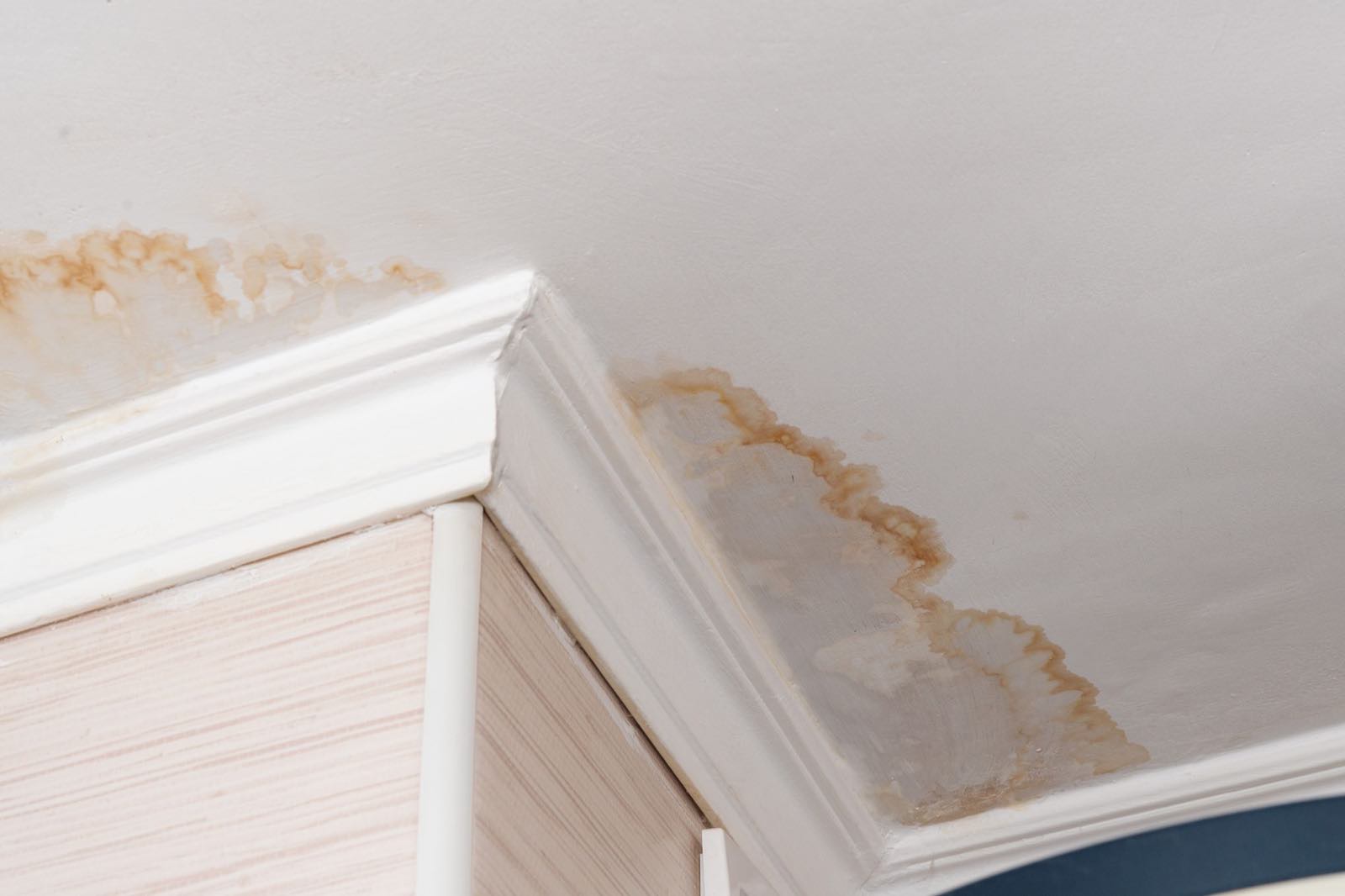
Leak damage repair in London usually means chasing three trades at once: a plumber to trace and stop the water, a plasterer to rebuild the ceiling, and a decorator to make it vanish. We put all three on one team under one project manager and one five-year guarantee — from thermal leak detection and monitored drying through plastering, stain-blocking and colour-matched decoration, including full escape-of-water insurance reinstatement. Landlords, letting agents and homeowners deal with one accountable contractor rather than a relay of strangers.
Written Guarantee: 5 Years
|
Average Timeline Range: 2 days - 3 weeks
One Contractor From Leak Trace to Reinstatement
The standard London experience after a ceiling leak is a relay of strangers. An emergency plumber stops the water and leaves a hole; you then spend weeks chasing a plasterer, then a decorator, each quietly blaming the last one’s work while your ceiling sits open. We exist to replace that chain with a single phone call.
Our leak teams put a qualified plumber, a plasterer and a decorator under one project manager. We trace the source with thermal imaging and moisture mapping, repair the failed pipework, joint or sealant, dry the structure with monitored readings, then rebuild — new plasterboard or traditional lath repair, skim, oil-based stain block and decoration matched invisibly to the surrounding finish.
Because one team owns the entire repair, nothing falls between trades and the whole job carries a single five-year guarantee. Depending on the extent of drying required, a repair runs from two days for a minor stain to around three weeks for a major escape of water. A surveyor can usually attend within 24 hours across Greater London, from Victorian terraces in Wandsworth and Hackney to mansion blocks in Marylebone and ex-local-authority flats in Southwark.
Water Damage Restoration Done in the Right Order
The most common failure in London water damage restoration is repairing too early. Plaster, timber joists and insulation hold moisture for weeks after a leak stops. Skim and paint over a damp substrate and the stain ghosts back, the paint blisters, and in the worst cases mould establishes inside the ceiling void where nobody sees it until it smells.
We work in the correct sequence. Once the leak is fixed, we take moisture readings across the affected area and, where needed, install monitored dehumidifiers and air movers. Only when readings return to a safe level — typically below 12-15% and confirmed in writing — do we open up, strip failed boards and wet insulation, reboard, skim and redecorate over a proper stain-blocking primer rather than another optimistic coat of emulsion.
For a serious escape of water — a burst rising main, a failed washing-machine hose, an overflowing tank in a communal loft — we manage the full programme: controlled strip-out, antimicrobial treatment, structural drying, and reinstatement of flooring, skirtings, joinery and decoration. The room is returned to its genuine pre-loss condition, not patched. This staged, evidence-led method is exactly what stands up when a loss adjuster reviews the file.
Insurance Reinstatement Work and Loss Adjusters
Most escape-of-water damage is covered by buildings insurance, and we deal with insurers and loss adjusters every week across London. We prepare precisely the documentation a claim needs: a cause report explaining what failed, a dated photographic record of every stage, moisture readings, and a fully itemised reinstatement quotation in the trade format adjusters expect. That package is what gets claims approved quickly rather than queried for months.
On most policies you are free to appoint your own contractor instead of the insurer’s network firm — a right worth exercising, because network repairs so often mean the cheapest defensible patch. We reinstate to the standard the rest of your home or rental property is finished to, and we handle the adjuster’s technical questions directly so you are not stuck being the go-between.
A note on cover: the resulting damage is usually covered, but the trace-and-access cost and the failed pipe itself are sometimes excluded, so we advise on this before you commit. Where the leak came from a neighbouring flat, a communal riser or the freeholder’s fabric, we provide the cause and liability reports that managing agents and the other party’s insurer need to settle who pays and to recover your excess.
Ceiling Leaks in London Flats and Period Houses
London’s housing stock makes leaks genuinely difficult to trace. In mansion blocks and Victorian conversions water travels: a failed shower tray seal on the third floor can surface as a stain two flats below and a metre sideways, having tracked along a joist or a service riser. Finding the true source without ripping out half a ceiling takes experience and the right kit — thermal imaging, acoustic detection and, where needed, tracer testing.
Period houses bring lath-and-plaster ceilings, which sag and fail differently from modern plasterboard and deserve repair rather than automatic replacement. Our plasterers repair sound lath ceilings traditionally, preserving original cornices, ceiling roses and coving, and replace only what is genuinely beyond saving — which matters in conservation areas and listed terraces across boroughs like Islington, Camden and Kensington & Chelsea.
There is also the leaseholder dimension. In a flat, a leak that damages communal structure or another demised unit engages the lease, the freeholder and the managing agent, and any works to shared fabric may need consent. We flag this at survey so you are not caught between your own claim and a block insurance policy. Typical pipework fixes within a ceiling run £220-£440; a full water-damaged ceiling repair ranges from around £150 for a minor stain-block and repaint to £2,500 or more where the ceiling must come down, with the average London job around £1,550 including decoration.
How to Choose a Leak Damage Repair Contractor in London
Emergency and ‘restoration’ firms multiply after every wet spell, so the choice matters. Use concrete criteria rather than the fastest quote.
First, insist on single-point accountability. If the leak trace, the plumbing fix, the drying, the plastering and the decoration sit with different firms, the gaps between them are where stains recur and warranties evaporate. One contractor, one guarantee — ask exactly what the guarantee covers and for how long; ours is five years.
Second, demand evidence of drying, not just a promise. A credible firm takes moisture readings, uses monitored equipment and will not skim over a damp substrate. Ask how they will prove the structure is dry before they decorate.
Third, check insurance literacy. A contractor who works with adjusters weekly will offer to produce the cause report, photographic schedule and itemised reinstatement quote unprompted, and will know that trace-and-access is often a separate policy line.
Fourth, verify the basics: £5m public liability cover, a VAT invoice, a written itemised quotation, and BS 7671 certification for any electrical work disturbed by the leak. Finally, for period or leasehold property, ask specifically about lath-and-plaster repair and freeholder consent — a firm that only knows plasterboard will over-strip an original ceiling. A contractor comfortable answering all five is the one worth appointing.
For Landlords and Letting Agents
A leak in a tenanted London flat is a compliance and reputation problem as much as a building one. An unresolved ceiling stain becomes a disrepair complaint, a withheld-rent threat, or a damp-and-mould issue under the tightened housing standards agents are now judged against. Speed and documentation are everything.
We run leak repairs for portfolio landlords and letting agents on agreed response terms, with emergency attendance for active water typically within hours. Jobs are raised through your works-order system, we contact the tenant directly to arrange access with your office copied throughout, and every job closes with dated before-and-after photographs against the works-order number — the evidence trail that protects you at deposit return and in front of the landlord.
Because the same team traces, fixes, dries and reinstates, tenants are not living under an open ceiling for weeks while trades are chased. We coordinate with block managing agents where a leak crosses between demised flats and communal fabric, and we produce the cause reports needed to apportion cost between your landlord’s policy and a neighbour’s. For account clients we offer itemised invoicing that matches the quote line for line, £5m public liability cover as standard, and certificates for any Gas Safe or BS 7671 electrical work issued straight to your compliance file.
Common Causes of Leak Damage We Fix
Knowing the source shapes the repair, and in London certain culprits recur. Failed shower and bath seals are the most frequent: silicone doing the job a tanking membrane should have done, letting water past the tray into the ceiling below. Push-fit and compression joints on concealed pipework work loose over years of thermal movement, especially where earlier work was rushed.
Waste and soil-pipe leaks are nastier — slow, smelly and often mistaken for condensation until the ceiling gives way. Overflowing or corroded cold-water tanks in communal lofts of mansion blocks can flood several flats at once. Flat-roof and parapet-gutter failures on Victorian and Edwardian terraces let rainwater in at high level, then it tracks internally far from the entry point. Radiator and heating-circuit weeps, failed washing-machine and dishwasher hoses, and burst pipes after a hard frost round out the list.
We do not simply patch the symptom. Part of every job is identifying why the leak happened, so the repair addresses the cause — re-sealing to a proper detail, renewing a suspect joint run, or advising on the roofing or tanking work that will stop it recurring. That cause diagnosis is also what your insurer’s adjuster wants to see, and it is why our reinstatements do not come back as repeat claims six months later.
What Leak Damage Repair & Reinstatement Costs in London (2026)
Item
Typical London Price
Notes
Leak trace & detection survey
£180 - £420 per property
Thermal imaging, moisture mapping and acoustic/tracer testing; credited against the repair if we carry it out.
Fix leaking pipe within a ceiling or wall
£220 - £440 per unit
Access, repair of failed pipework, joint or valve and pressure test; excludes concealed re-pipes.
Structural drying (equipment hire)
£40 - £75 per day
Monitored dehumidifiers/air movers per affected zone; runs 1-3 weeks depending on saturation.
Stain-block & redecorate a minor damaged ceiling
£150 - £450 per room
Small water stain — dry, oil-based stain block and repaint; no board replacement.
Replaster & decorate a water-damaged ceiling
£850 - £1,800 per room
Take down failed plasterboard, reboard, skim, stain block and full redecoration.
Full ceiling replacement & reinstatement
£1,800 - £2,500+ per room
Where the ceiling is beyond saving, including insulation, cornice repair and making good.
Lath-and-plaster ceiling repair (period stock)
£90 - £140 per m2
Traditional repair preserving sound laths and original cornicing rather than wholesale strip-out.
Major escape-of-water reinstatement
£4,000 - £15,000+ per property
Strip-out, antimicrobial treatment, structural drying, flooring, joinery and decoration; usually an insurance claim.
Indicative Greater London 2026 prices for guidance only; every job is quoted fixed and itemised after inspection, as extent of hidden damage is only confirmed once the ceiling or wall is opened up.
Insider Tips Before You Commit
Photograph the damage the moment you spot it, before you touch anything — timestamped images of the wet ceiling are the single strongest piece of evidence for your escape-of-water claim.
Turn off the water at the stopcock and switch off the affected lighting circuit at the consumer unit before poking a wet ceiling; a soaked pendant is a live electrical risk.
Pierce a small hole at the lowest point of a bulging ceiling to drain trapped water into a bucket — controlled release beats the whole ceiling collapsing onto your floor.
Never let anyone skim or paint over damp plaster; insist on a written moisture reading below 12-15% before decoration, or the stain will ghost straight back through.
In a flat, notify your managing agent and the freeholder in writing the same day — under most leases they need to know, and it protects you if the leak originated above you.
Check whether your policy covers the trace-and-access cost separately from the repair; the failed pipe itself is often excluded even when the resulting damage is fully covered.
You are usually entitled to appoint your own contractor rather than the insurer’s network firm — say so early, before an adjuster books their own supplier.
Keep a leak that came from a neighbouring flat well documented; you will need a cause report to recover your excess and losses from the other party’s insurer.
How Not to Get Scammed
London has more rogue traders than any other UK market. These are the warning signs we see most often — and exactly what to do when you spot them.
A ‘restoration’ firm knocks door-to-door after heavy rain offering to fix your ceiling for cash on the spot.
Never hire on the doorstep or pay cash for opportunistic work; get a written, itemised quotation from an insured contractor with a traceable London address and VAT details.
The trader wants a large upfront deposit — often 40-50% — before any drying or make-good has started.
For leak repairs, materials are minimal; refuse big deposits, agree staged payments tied to completed stages, and pay the balance only after moisture readings confirm the structure is dry.
They skim and repaint the ceiling within a day or two of the leak stopping, with no drying period.
Insist the plaster is verifiably dry — typically 2-4 weeks with monitored readings — before any decoration; a same-week finish guarantees the stain and blistering return.
Mid-job the contractor announces they’ve ‘found much more damage’ and the price has doubled, with no evidence.
Ask for photographs of the alleged damage and a written variation before authorising extra spend; a reputable firm documents hidden damage and prices it transparently against the original quote.
No written quote, no VAT invoice, and vague answers about insurance when you ask.
Ask to see the £5m public liability certificate and a proper VAT invoice; work with someone who provides written specifications and certificates for any electrical work to BS 7671.
An insurer’s network firm quotes only the cheapest patch and refuses to match your existing finishes.
Exercise your right to appoint your own reinstatement contractor and require the repair to return the room to its genuine pre-loss condition, not a mismatched patch.
Standards & Compliance
Every project is delivered to current British Standards and Building Regulations, with works documented for building control and HMO licensing sign-off — backed by fixed written quotes and a written guarantee.
BRITISH STANDARDS · BUILDING REGS COMPLIANT · FD30/FD60 FIRE DOORSETS · BS 5839-6 ALARMS · WRITTEN GUARANTEE
Frequently Asked Questions (FAQ)
How much does ceiling water damage repair cost in London?
From around £150 for drying, stain-blocking and repainting a small stain, up to £2,500 or more where the ceiling must be replaced. The average complete repair — trace, fix, replaster and redecorate — is around £1,550 at 2026 prices. Fixing a leaking pipe within the ceiling typically costs £220-£440. We quote fixed, itemised prices after inspection.
Can you find the leak as well as repair the damage?
Yes — that is the whole point of our service. We trace leaks using thermal imaging, moisture mapping and acoustic detection, fix the source, then handle drying, plastering and decoration with the same team under one five-year guarantee. You avoid the usual relay of separate plumber, plasterer and decorator each blaming the last.
Will my insurance cover the repair, and do you deal with insurers?
Escape-of-water damage is covered by most buildings policies, though the leak trace and the failed pipe itself are sometimes excluded — we advise on this before you commit. We prepare the cause report, dated photographs and itemised reinstatement quotation your insurer needs, and deal with the loss adjuster directly. You are usually entitled to use your own contractor rather than the insurer’s network firm.
How long before the ceiling can be repainted after a leak?
The plaster must be verifiably dry first — typically 2-4 weeks after the leak is fixed, confirmed with moisture readings, and sometimes faster with monitored drying equipment. Painting too soon is the main reason stains reappear and paint blisters. We always seal with the correct oil-based stain-blocking primer before any decoration.
How long does the whole repair take?
It depends on how wet the structure is. A minor stain that only needs drying, stain-blocking and a repaint can be done in around two days. A full water-damaged ceiling needing take-down, reboarding, skimming and decoration runs one to two weeks. A major escape of water with structural drying and reinstatement can take up to three weeks.
The leak came from the flat above mine — what should I do?
Notify your managing agent and freeholder in writing the same day, and ask us to produce a cause report identifying the source. That report lets you recover your excess and uninsured losses from the neighbour or their insurer, and clarifies whether communal fabric or block insurance is involved. We regularly provide the documentation managing agents need to apportion liability between flats.
Do you repair lath-and-plaster ceilings in period properties?
Yes. Lath-and-plaster ceilings in Victorian, Georgian and Edwardian houses fail differently from plasterboard and are often repairable rather than needing full replacement. Our plasterers repair sound laths traditionally, preserve original cornices and ceiling roses, and replace only what is genuinely beyond saving — which matters in conservation areas and listed terraces.
Can you attend as an emergency, and how quickly?
We prioritise active leaks and can usually get a surveyor to a property within 24 hours across Greater London, with faster emergency attendance for account landlords and agents where water is still coming through. If water is still flowing, turn off the stopcock and the affected lighting circuit, then call us so we can stop the source before reinstatement begins.
Do you handle the electrical side if a leak has affected lighting or circuits?
Yes. Water and electrics are a genuine hazard, so any lighting, downlights or circuits affected by a leak are inspected and made safe, with remedial work certified to BS 7671. Because it is one team, the electrical make-safe, the drying and the reinstatement are coordinated rather than left to separate call-outs.
What guarantee do you offer on leak damage repairs?
Every leak repair carries a single five-year guarantee covering the source fix, the drying and the reinstatement together, so responsibility never falls between trades. We hold £5m public liability insurance, provide fixed written quotations and VAT invoices, and issue BS 7671 certificates for any electrical work involved.
Our Written Guarantee
We provide a fully comprehensive, written 5-Year guarantee covering all structural reinstatement, moisture boundaries, and finish coatings.
100% Insurance Protected
Request an Elite Assessment
Secure a rapid, high-precision physical survey by our team. Fill out our briefing engine instantly.
Leak Damage Repair & Reinstatement Across Greater London
We deliver leak damage repair & reinstatement across all 33 London boroughs — from the City and Central London out to the M25. Tap any marker to see coverage and local postcodes.