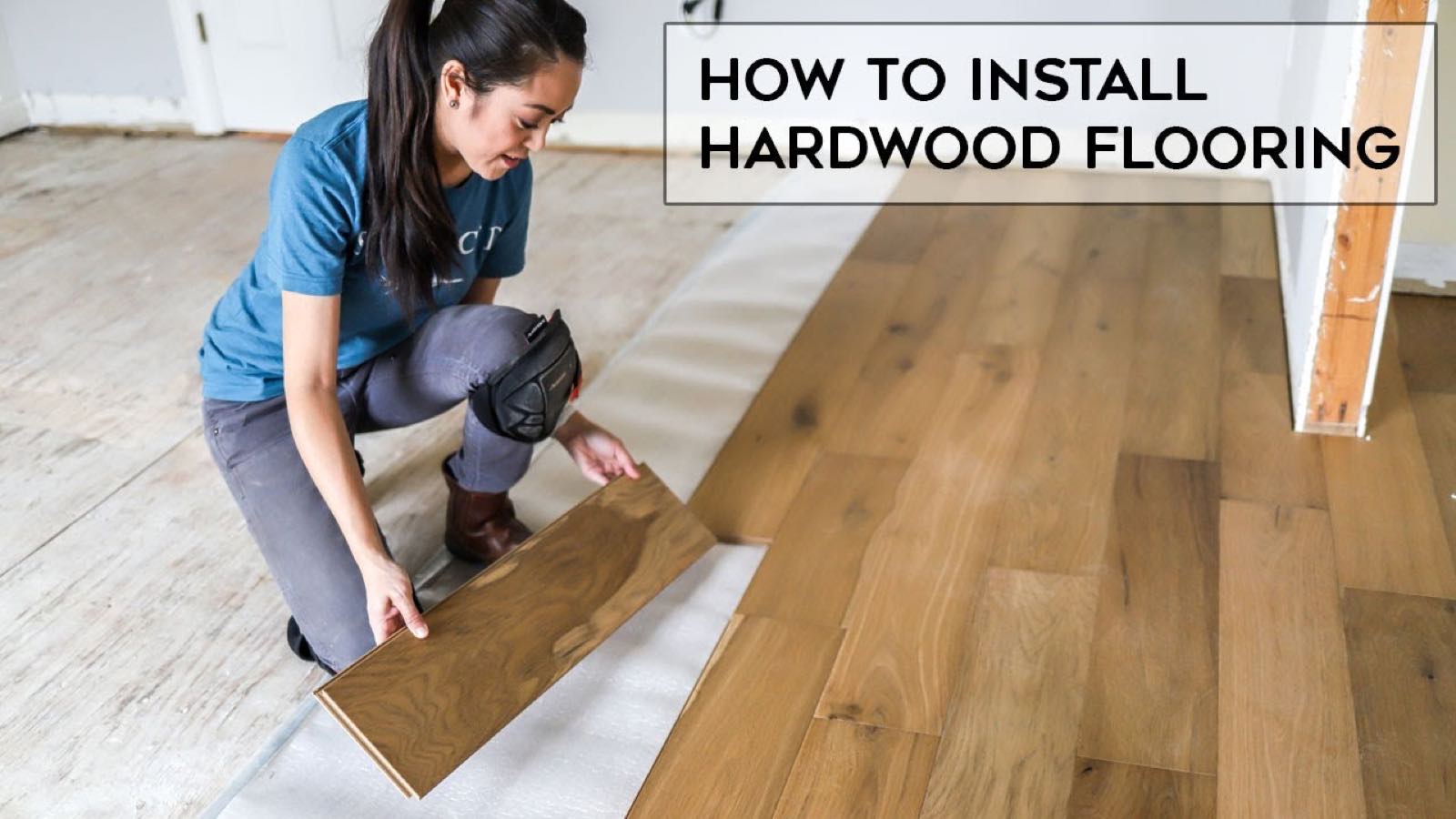
Our flooring fitters replace floors across London homes and rental properties: engineered wood, luxury vinyl tile, laminate and hard-wearing carpet. Every job starts under the surface — subfloor repair, levelling and lease-compliant acoustic underlay — so the finish lasts and the flat below stays quiet. One accountable contractor for homeowners, landlords and letting agents, working to a fixed written quote and a 5-year workmanship guarantee.
Written Guarantee: 5 Years
|
Average Timeline Range: 1 day - 2 weeks
The Right Floor for the Room — and the Tenant
Flooring choices look aesthetic and are really mechanical. Engineered wood gives the warmth of real timber with the dimensional stability London’s centrally heated flats demand, and its oak wear-layer can be sanded at least once over its life. Luxury vinyl tile has become the landlord’s favourite for kitchens, bathrooms and hallways: genuinely waterproof, warm underfoot and now convincing enough to pass for wood or stone. Laminate remains the budget workhorse for living rooms and lettings, and good-quality carpet still wins bedrooms in rental stock — quiet, warm and cheap to replace at tenancy change.
The right answer depends on the room, the budget and how long the tenancy runs. In a family home you might justify engineered oak throughout; in a buy-to-let flat off Green Lanes or a mansion-block let in Maida Vale, a £45-per-square-metre LVT that survives five tenancies beats a £110 oak floor ruined by the first tenant’s leaking washing machine. We fit all four materials daily across every London borough and will tell you plainly which suits your situation rather than which carries the biggest margin.
For HMOs and licensed lets the calculation shifts again: hard, wipeable flooring in shared kitchens and circulation space, comfortable carpet in bedrooms, and everything specified so a single damaged plank or one worn room can be replaced without redoing the lot.
Subfloors: Where Flooring Jobs Are Won or Lost
No floor finish survives a bad subfloor. Squeaks, bounce, lifting joints, gapping planks and cracked seams almost always trace back to what is underneath rather than the product on top: loose Victorian floorboards, humps and dips around old hearths, chipboard that has swollen at a past leak, or a concrete screed in an ex-local-authority flat that was never laid flat.
Before fitting anything we walk and probe the whole subfloor, refix or replace defective boards, and bring it flat with plywood overboarding or self-levelling compound to the tolerance the chosen finish requires. LVT is the fussiest — being thin and flexible, it telegraphs every ripple and screw-head straight through to the surface — so on vinyl jobs the preparation line on the quote is usually the honest one. Where we find historic leak damage or rot, common around London bathrooms and the flats beneath them, we cut out and repair the joists and boards properly first; trapping damp under a new waterproof floor turns a one-day flooring job into a structural repair a year later.
Moisture readings are taken on screeds and newly repaired timber before any wood or LVT is laid, because manufacturer warranties are void the moment moisture exceeds their stated limit — and so, quietly, is a cheap fitter’s promise.
Acoustic Underlay, Leases and the Downstairs Neighbour
Most London leases restrict hard flooring, and a great many prohibit it outright in bedrooms or directly above another habitable room. Those clauses exist because footsteps on a badly fitted laminate floor are the single most common neighbour dispute in converted terraces and mansion blocks — the sound carries straight through the joists into the flat below.
Where hard flooring is permitted, the lease usually requires an acoustic underlay achieving a stated impact-sound performance, and the managing agent or freeholder can demand documented evidence before and after the work. Fitting without complying risks a licence-to-alter breach, freeholder enforcement and, in the worst cases, an order to take the whole floor back up at your own cost.
We check the lease position before we quote, not after. Where consent is needed we help prepare the licence-to-alter application, fit an acoustic underlay system matched to the finish and the specified rating, and keep the product data sheets and photos in your handover pack for the managing agent’s file. For landlords this paperwork earns its keep twice: it protects the licence to alter, and it heads off the downstairs complaint that otherwise lands three weeks into a new tenancy — long after the fitter has been paid and gone.
How to Choose the Right Flooring for a London Property
Start with the room’s job, not the showroom sample. Ask five questions in order and the material chooses itself.
Will it get wet? Kitchens, bathrooms, utility rooms and entrance halls off a wet London street want LVT or a water-resistant finish — never laminate, which swells at the joints the first time a fridge weeps or a mop over-wets it. Is it a flat above another home? Then the lease and its acoustic clause govern everything, and hard flooring may simply be off the table for bedrooms. Who lives there? Owner-occupiers can justify engineered oak they’ll maintain; a five-year let is better served by hard-wearing LVT and replaceable carpet.
Then weigh the building. Period terraces in Islington or Hackney often have beautiful but uneven original boards — sometimes worth restoring rather than covering, sometimes needing overboarding for a modern finish. New-build and ex-LA flats usually have concrete screeds that suit glue-down LVT once levelled. Finally, budget over the whole life: a floor that survives three tenancies at £45 per square metre is cheaper than one replaced twice at £30. Ask any fitter to justify their recommendation against these criteria in writing — a good one will, and will happily talk you out of the wrong choice.
Fitting, Standards and the Details That Last
The line between a floor that looks sharp for twenty years and one that annoys you within twelve months is drawn in the details. We set out every room from its sightline: planks run towards the main window or along the longest wall, patterns are centred, and cuts are balanced so you don’t finish with a two-centimetre sliver against the skirting.
Expansion is designed in, not hoped for. Floating floors — most laminate and click LVT and engineered board — need a perimeter expansion gap so the floor can move with the seasons without buckling against the wall or lifting at doorways; we conceal it under beading or scribed skirting rather than smothering it with silicone. Transitions between rooms and materials are made with proper thresholds set to the finished heights, so doors still clear the floor and there is no trip lip at the kitchen threshold. Where a wood or LVT floor meets an existing carpet or tile, the junction is planned before the first board goes down.
We fit around the building’s realities too: door bottoms eased where build-up height rises, radiator pipes collared neatly rather than gouged around, and underfloor heating manufacturers’ maximum surface temperatures respected so the finish is never cooked. Every floor is left swept, gapped correctly and, for hard floors, handed over with its labelled spare box.
Access, Timelines and Working in Occupied London Homes
Most flooring work is disruptive but short. A single room typically takes a day; a two-bedroom flat refloored throughout runs closer to a week once subfloor preparation, acclimatisation and finishing are counted; a whole house with significant levelling or repair can reach two weeks. We give a written programme with the quote so you know which rooms are usable when — important when it’s your only home, or a tenanted property you’re turning around between lets.
London’s practical frictions get planned in advance rather than discovered on the day. We confirm parking and loading — permits, suspended bays or restricted CPZ hours in boroughs like Camden, Kensington and Wandsworth — so material deliveries and skips don’t stall the job. In mansion blocks and converted houses we check lift access, stair widths and any porter or concierge sign-in rules before a single pack of flooring arrives, because a full-length engineered board that won’t fit in the lift changes the whole delivery plan.
Furniture is moved and protected, old flooring is lifted, bagged and removed under a licensed waste transfer note, and each room is vacuumed and reset as we finish it. For landlords and letting agents we sequence the work to hit a move-in date and photograph the finished rooms for the marketing set.
One Accountable Contractor — From Leak to New Floor
Flooring is often the last, visible symptom of a problem that started underneath. A ruined kitchen floor in a Clapham conversion or a swollen hallway board in a Victorian terrace is frequently the tail end of an escape of water — a failed shower tray two floors up, a weeping radiator valve, or a slow supply-pipe leak that has been wicking into the joists for months. Replace the floor without finding and fixing the source and you have simply hidden the damage until it comes back.
Because we run our own leak-detection, plumbing and building teams, we can trace the cause, dry and repair the structure, and lay the new floor as one job with one point of accountability — rather than you coordinating a plumber, a dryer and a fitter who each blame the last. That single-contractor model also matters on insurance reinstatement work, where the loss adjuster wants the cause fixed, the moisture readings recorded and the floor reinstated to a documented standard.
Every floor we replace is covered by our written 5-year workmanship guarantee, our teams carry £5m public liability insurance, and gas, electrical and alarm work touched along the way is certified to the relevant standards — Gas Safe, BS 7671 and BS 5839-6. You get a fixed written quote before we start and one company standing behind the result.
What Flooring Replacement Costs in London (2026)
Item
Typical London Price
Notes
Laminate flooring (supplied & fitted)
£30–£50 per m²
Good-quality 8–12mm click laminate; the budget workhorse for lettings
Luxury vinyl tile / LVT (supplied & fitted)
£45–£75 per m²
Waterproof and warm; landlords’ default for kitchens, bathrooms and hallways
Engineered wood (supplied & fitted)
£70–£120 per m²
Real-oak top layer, stable in centrally heated flats, sandable at least once
Landlord-spec carpet (supplied & fitted)
£20–£35 per m²
Includes underlay and grippers; cheap to refresh at tenancy change
Ply overboarding / subfloor levelling
£18–£40 per m²
5.5–18mm ply or self-levelling compound; essential under LVT and engineered wood
Acoustic underlay (lease-compliant)
£8–£22 per m²
Impact-sound system to satisfy the lease; data sheets supplied for the managing agent
Labour-only fitting (client-supplied floor)
£12–£30 per m²
Where you have already bought the floor; rate varies by material and pattern
Full two-bed flat refloored throughout
£2,500–£6,500
Depending on finish mix; hard floor to living areas, carpet to bedrooms
Furniture moving, uplift & waste removal
£150–£600 per property
Old floor lifted, bagged and removed under a licensed waste transfer note
Guide prices for Greater London in 2026, supplied and fitted unless stated. Subfloor levelling, acoustic underlay, furniture moving and waste removal are itemised separately on every fixed written quote.
Insider Tips Before You Commit
Always ask to see the acoustic underlay data sheet before fitting — most London leases specify an impact-sound rating and the managing agent can demand proof.
Buy 10% more of any hard floor than the room measures, and keep a labelled box of the same batch for future repairs; dye-lots change between orders.
Let engineered wood and LVT acclimatise flat in the room for 48 hours before fitting so it settles to the flat’s heating and humidity and doesn’t gap or cup.
Insist on moisture readings of any concrete screed or newly repaired timber before wood or LVT goes down — trapped damp voids most manufacturer warranties.
In a leasehold flat, check whether hard flooring needs a licence to alter before you commit; retro-fitting underlay after a downstairs complaint means lifting the whole floor.
For rentals, match grout-free LVT plank colour to a mid-tone: it hides scuffs, dust and tenant wear far better than very pale or very dark boards.
Fit hard flooring after decorating and skirting where possible, then scribe or use beading — it gives a cleaner edge and lets you replace boards without touching the walls.
Ask for a written subfloor report before signing: a quote that ignores squeaks, humps or old hearths is a quote that will fail within a year.
How Not to Get Scammed
London has more rogue traders than any other UK market. These are the warning signs we see most often — and exactly what to do when you spot them.
Cash-only price with no written quote and no VAT invoice.
Insist on a fixed written quote and a proper invoice; without paperwork you have no guarantee to enforce and no proof of works for the freeholder or your insurer.
Quotes to lay LVT or engineered wood straight over old, uneven boards to ‘save time’.
Require a subfloor preparation line on the quote — levelling and overboarding is half the job, and skipping it is the single biggest cause of ripples, squeaks and lifting seams.
Large upfront deposit demanded before any material is ordered or delivered.
Pay a modest deposit against a named, dated order and stage the balance to delivery and completion; never hand over the bulk of the money before the floor is on site.
No mention of acoustic underlay or the lease in a flat above another home.
Ask directly whether the underlay meets your lease’s impact-sound clause and insist the product data sheets go in your handover pack for the managing agent.
‘We found rot / more damage’ mid-job with a big verbal price rise and pressure to decide today.
Ask for photographs and a written variation before any extra work starts; genuine subfloor damage is documented and priced, not sprung on you as a same-day cash extra.
Fitter can’t confirm public liability insurance or a licensed waste carrier for the old floor.
Ask for evidence of insurance (we carry £5m public liability) and a waste transfer note; uninsured labour and fly-tipped floors become your liability, not theirs.
Standards & Compliance
Every project is delivered to current British Standards and Building Regulations, with works documented for building control and HMO licensing sign-off — backed by fixed written quotes and a written guarantee.
BRITISH STANDARDS · BUILDING REGS COMPLIANT · FD30/FD60 FIRE DOORSETS · BS 5839-6 ALARMS · WRITTEN GUARANTEE
Frequently Asked Questions (FAQ)
How much does flooring replacement cost in London?
Typical supplied-and-fitted prices in 2026: laminate £30–£50 per square metre, LVT £45–£75, engineered wood £70–£120, and landlord-spec carpet £20–£35 including underlay. Subfloor levelling, ply overboarding and acoustic underlay are itemised separately. A typical two-bedroom flat refloors throughout for £2,500–£6,500 depending on the finish mix. We quote fixed prices after seeing the subfloor.
What flooring is best for a rental property?
LVT for kitchens, bathrooms and hallways — genuinely waterproof and hard-wearing; quality laminate or LVT for living rooms; carpet for bedrooms, cheap to refresh between tenancies. Avoid solid wood and soft species in lettings: one washing-machine leak or one set of furniture dents and the floor becomes a deposit dispute. Keep a labelled spare box so single damaged planks can be swapped without redoing the room.
Do I need acoustic underlay in my flat?
Almost certainly check the lease first. Most London leases require hard floors to meet a stated impact-sound performance, and some prohibit hard flooring in bedrooms or above habitable rooms entirely. Fitting without complying risks freeholder enforcement, a licence-to-alter breach and taking the floor back up. We review the clause, specify a compliant underlay and hand you the data sheets for the managing agent’s file.
Can you level a bad subfloor first?
Yes — it is half the job. We refix loose boards, replace rotten timber, overboard with plywood or pour self-levelling compound depending on the construction, and take moisture readings on screeds before laying wood or LVT. Skipping this stage is exactly why cheap flooring quotes turn into squeaky, gappy, lifting floors within a year. Preparation appears as a clear, itemised line on our quote.
How long does flooring replacement take?
A single room is usually a day. A two-bedroom flat refloored throughout runs closer to a week once subfloor preparation, acclimatisation and finishing are counted, and a whole house with significant levelling or repair can reach two weeks. We provide a written programme with the quote so you know which rooms are usable when — useful whether it’s your home or a property being turned around between tenancies.
Do I need freeholder or managing agent consent to change my floor?
In most leasehold flats, yes — replacing carpet with hard flooring usually needs a licence to alter, and the lease often sets a minimum acoustic standard. We check the lease position before quoting, help prepare the licence-to-alter application where needed, and keep the underlay data sheets and photos in your handover pack so the managing agent has the evidence they require.
Can you fit flooring I’ve already bought?
Yes — we fit client-supplied floors regularly on a labour-only basis, typically £12–£30 per square metre depending on the material and pattern. Before we start we check the quantity, that it’s the right product for the subfloor, and whether any acoustic or underfloor-heating requirements apply. We’ll tell you honestly if a floor you’ve fallen for will fight your subfloor before it’s cut.
My floor is damaged from a leak — can you sort both?
Yes, and it’s work we do constantly. We trace and fix the leak with our own plumbing and detection teams, dry and repair the affected joists and boards, take moisture readings, then lay the new floor — one job, one point of accountability. On insurance claims we document the cause, the drying and the reinstatement to the standard a loss adjuster expects.
Can you fit flooring over underfloor heating?
Yes. Engineered wood and LVT are both compatible with underfloor heating provided the manufacturer’s maximum surface temperature is respected and the system is commissioned and gently brought up to temperature before and after fitting. Solid wood and thick underlays are usually a poor match. We confirm the build-up, tog values and compatibility before ordering so the finish isn’t cooked or the heat isn’t smothered.
Do you remove and dispose of the old flooring?
Yes. We lift and take up the existing floor, move and protect furniture, and remove all waste under a licensed waste transfer note — typically £150–£600 per property depending on volume and access. In boroughs with tight parking or CPZ restrictions we arrange permits or suspended bays in advance so skips and deliveries don’t hold up the programme.
Our Written Guarantee
We provide a fully comprehensive, written 5-Year guarantee covering all structural reinstatement, moisture boundaries, and finish coatings.
100% Insurance Protected
Request an Elite Assessment
Secure a rapid, high-precision physical survey by our team. Fill out our briefing engine instantly.
We deliver flooring replacement across all 33 London boroughs — from the City and Central London out to the M25. Tap any marker to see coverage and local postcodes.