Tiling Costs in London: 2026 Price Guide (Per Sqm & Day Rate)
Updated 12 June 2026|7 min read
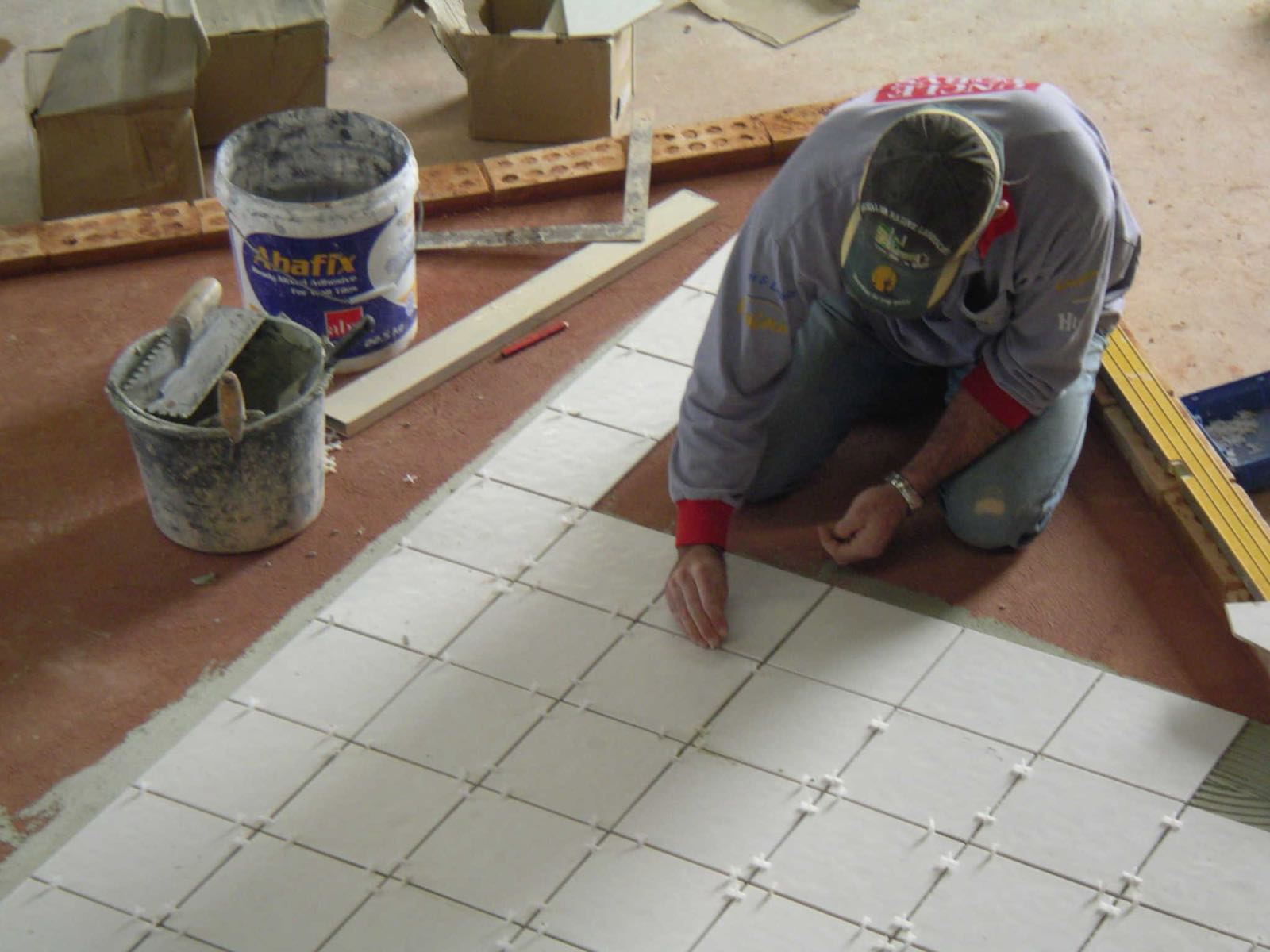
Tiling in London costs £40–£100 per square metre supplied and fitted in 2026, depending on the tile, or you can hire a tiler at a day rate of £200–£300. Standard ceramics sit at the bottom of the range; large-format porcelain and natural stone, which need careful substrate preparation, sit at the top. Wetrooms add tanking before any tile goes on. This guide prices tiling by scenario, from a kitchen splashback to a fully tiled bathroom, so you can budget accurately.
How much does tiling cost in London in 2026?
Tiling is priced two ways in London, and knowing which you are being quoted prevents nasty surprises. Supply-and-fit gives you a per-square-metre rate covering labour, adhesive, grout and often the tiles themselves; a day rate covers the tiler's labour only, with you supplying materials.
Supply-and-fit tiling runs £40–£100 per square metre in London. Standard ceramic wall tiling sits at the lower end; large-format porcelain and natural stone, which demand flatter substrates, specialist adhesives and slower, more precise setting-out, sit at the upper end. The tiler's day rate is £200–£300, and an experienced tiler covers roughly 5–10 square metres of straightforward tiling a day, which is why fiddly small-format or mosaic work costs more per square metre despite using cheaper tiles.
The table shows typical supply-and-fit rates by tile type. Remember that the labour to fit a £15 tile and a £60 tile is almost identical, so the finished cost is driven as much by the tile you choose as by the tiling itself, and VAT applies to most work.
Tile type
Supply & fit per sqm (London, 2026)
Standard ceramic
£40 – £60
Porcelain
£55 – £80
Large-format porcelain
£70 – £100
Natural stone (marble, limestone)
£80 – £120
Mosaic / small-format
£90 – £140
Tiler day rate vs per square metre: which to ask for
Both pricing models are legitimate; the right one depends on the job, and a good tiler will tell you which suits yours.
A day rate of £200–£300 makes sense for awkward, hard-to-measure work: a bathroom full of cuts around a window, a niche and a curved bath panel, or a job where you have already bought the tiles and just need skilled labour. You carry the risk on quantity, but you avoid paying a margin on materials.
A per-square-metre supply-and-fit rate suits straightforward areas where the quantity is easy to measure, a floor, a feature wall, a splashback, and gives you a single, predictable figure. It also puts the responsibility for ordering the right adhesive and the right quantity of tiles (with sensible wastage allowance, typically 10%) onto the tiler.
Whatever the model, always clarify what is included. Does the rate cover substrate preparation, priming, tanking in wet areas, and the grout and silicone finish? A cheap per-square-metre rate that excludes preparation is not cheap once the wall needs boarding and levelling first, which on uneven London walls and floors it frequently does.
Wetroom and bathroom tiling: why tanking comes first
Bathroom and wetroom tiling carries a step that splashbacks and floors do not, and skipping it is the single most expensive mistake in tiling.
Tiles and grout are not waterproof. In a shower or wetroom, the real waterproofing is the tanking membrane behind the tiles, and tiling straight onto bare plasterboard is how slow leaks start, usually discovered months later as a stain on the ceiling below. Tanking wet zones costs £400–£900 in a typical bathroom, and it is the cheapest line in the project relative to what its absence costs.
A fully tiled standard bathroom (walls and floor, around 25–35 square metres of tiling) therefore carries £1,500–£3,500 of tiling labour before the tiles, plus tanking. A wetroom adds more: the floor must be formed with falls to a drain and fully tanked, adding skilled labour over a standard shower enclosure.
The order of work matters too. Tanking is applied and allowed to cure before tiling begins; rushing this, or tiling over an untanked or part-cured membrane, defeats the point. We tank every wet zone, photograph it before tiling, and hand the photographs to the client, because waterproofing you cannot see is exactly the part worth proving.
Kitchen splashbacks and floor tiling costs
Not all tiling is a bathroom, and the other common London tiling jobs price quite differently.
A kitchen splashback, the run of tile between worktop and wall units, is a small but precise job: typically £300–£700 fitted, depending on the tile and the number of cuts around sockets, switches and the cooker. Metro tiles, mosaics and large slabs all change the labour. Because the area is small, the day rate often works out better than a per-square-metre rate here.
Floor tiling is usually larger and costed per square metre, and porcelain dominates because it is harder-wearing than ceramic and frost-proof at external thresholds. The substrate is critical: floors must be flat, sound and, on timber, suitably overboarded and decoupled to prevent cracking, which is preparation a cheap quote may omit. Large-format floor tiles and stone need two-person handling, specialist adhesives and flawless setting-out, pushing the rate toward the top of the £40–£100 range.
Hallways, with their cuts, thresholds and patterns, cost more per square metre than a simple rectangular floor. As with bathrooms, the tile you choose moves the budget as much as the tiling, so it pays to settle the tile before pricing the job.
What drives tiling costs up (and how to control them)
Two jobs of identical floor area can differ by hundreds of pounds, and the drivers are predictable once you know them.
Tile format and material come first. Large-format and natural stone need flatter substrates, slower setting-out and specialist adhesives, and stone needs sealing; all of this adds labour over standard ceramics. Small-format and mosaic tiles are cheap to buy but slow to fit, raising the labour per square metre.
Substrate preparation is the hidden one. London walls and floors are rarely flat; period properties especially. Overboarding, levelling, priming and, on floors, decoupling all add cost but prevent the tiles cracking or lipping later. A quote that ignores preparation is not comparable to one that includes it.
Cuts and complexity come third: niches, windows, curved panels, patterns, mitred external corners and lots of penetrations all slow the work. Finally, access and protection in occupied London homes and flats add time.
To control the budget: choose porcelain over stone in wet and high-traffic areas (cheaper, tougher, no sealing); keep patterns simple; settle the tile before pricing; and never economise on substrate preparation or tanking, because those are the savings that come back as cracked tiles or a leak. Our tilers quote substrate works openly rather than discovering them mid-job.
Frequently Asked Questions
How much does tiling cost per square metre in London?
Supply-and-fit tiling in London costs £40–£100 per square metre in 2026: £40–£60 for standard ceramic, £55–£80 for porcelain, £70–£100 for large-format porcelain and £80–£120 for natural stone. The labour to fit a cheap tile and an expensive one is similar, so the tile choice drives much of the final cost.
What is a tiler's day rate in London?
A London tiler charges £200–£300 a day for labour only, with you supplying materials. An experienced tiler covers roughly 5–10 square metres of straightforward tiling a day, so intricate small-format, mosaic or heavily cut work costs more per square metre despite the tiles often being cheaper.
How much does it cost to tile a bathroom in London?
A fully tiled standard bathroom carries £1,500–£3,500 of tiling labour for around 25–35 square metres of walls and floor, before the cost of the tiles and before tanking. Tanking the wet zones adds £400–£900 and is essential, not optional, because tile and grout are not waterproof.
How much does a kitchen splashback cost to tile?
A kitchen splashback typically costs £300–£700 fitted, depending on the tile and the number of cuts around sockets, switches and the cooker. Because the area is small and the work precise, a tiler's day rate often works out better value than a per-square-metre rate for a splashback.
Why is large-format and stone tiling more expensive?
Large-format porcelain and natural stone need flatter substrates, specialist adhesives, two-person handling and slower, more precise setting-out, and stone also needs sealing. All of this adds labour over standard ceramic tiling, which is why these tiles sit at the top of the £40–£120 per square metre range.