Damp Proofing Cost in London: Rising Damp Treatment Guide 2026
Updated 12 June 2026|9 min read
Damp proofing in London starts with a survey at £200–£500 and runs to around £3,250 for a full rising-damp DPC treatment, usually two to five days' work, with replastering afterwards at £450–£800 per room. The right treatment depends entirely on the type of damp: rising, penetrating or condensation each need a different fix, and basement tanking is different again. Treating the wrong cause wastes money, so this guide explains how to tell them apart and what each costs, before you book a free survey and diagnosis.
How much does damp proofing cost in London?
The cost of damp proofing depends on the type and extent of the problem, but the figures are well established. A proper damp survey costs £200–£500 and is the essential first step, because treating damp without diagnosing the cause is how money gets wasted. A full rising-damp DPC treatment for a typical room or wall runs around £3,250 and takes two to five days.
After the chemical DPC, the affected walls need replastering with a salt-resistant render, at £450–£800 per room. Penetrating damp and condensation are usually cheaper to fix because they address a cause, a leak, a render failure or poor ventilation, rather than installing a new damp course. Basement tanking is the most expensive at several thousand pounds.
London adds 25–40% over national rates. The table below shows typical costs by damp type and job, excluding VAT.
Damp type / job
Typical London cost (2026)
Damp survey and diagnosis
£200 – £500
Full rising-damp DPC treatment
~£3,250
Salt-resistant replastering (per room)
£450 – £800
Penetrating damp repair
£500 – £2,500
Condensation / ventilation fix
£300 – £2,000
Basement tanking
£3,000 – £10,000+
Why the survey comes first
The most expensive mistake in damp proofing is treating the wrong cause. A £200–£500 survey is not an optional extra, it is what stops you spending £3,250 on a chemical DPC for what is actually condensation or a leaking gutter.
A proper survey uses moisture meters, inspects internally and externally, checks the existing damp course, the ground levels, the gutters and downpipes, the render and the ventilation, and identifies which type of damp you actually have. It produces a diagnosis and a recommended treatment, not just a sales pitch for an injected damp course.
Be wary of free surveys from firms that only sell DPC injection, because the conclusion is often predetermined. We diagnose first and recommend the treatment the building actually needs, which is sometimes far cheaper than a DPC, because fixing the real cause beats masking a symptom every time.
Rising, penetrating or condensation: telling them apart
Damp comes in three main forms, and they look superficially similar but have completely different cures. Rising damp comes up from the ground through walls that lack a working damp course. It typically shows as a tide-mark up to about a metre high on ground-floor walls, with salt staining, and is actually the least common of the three.
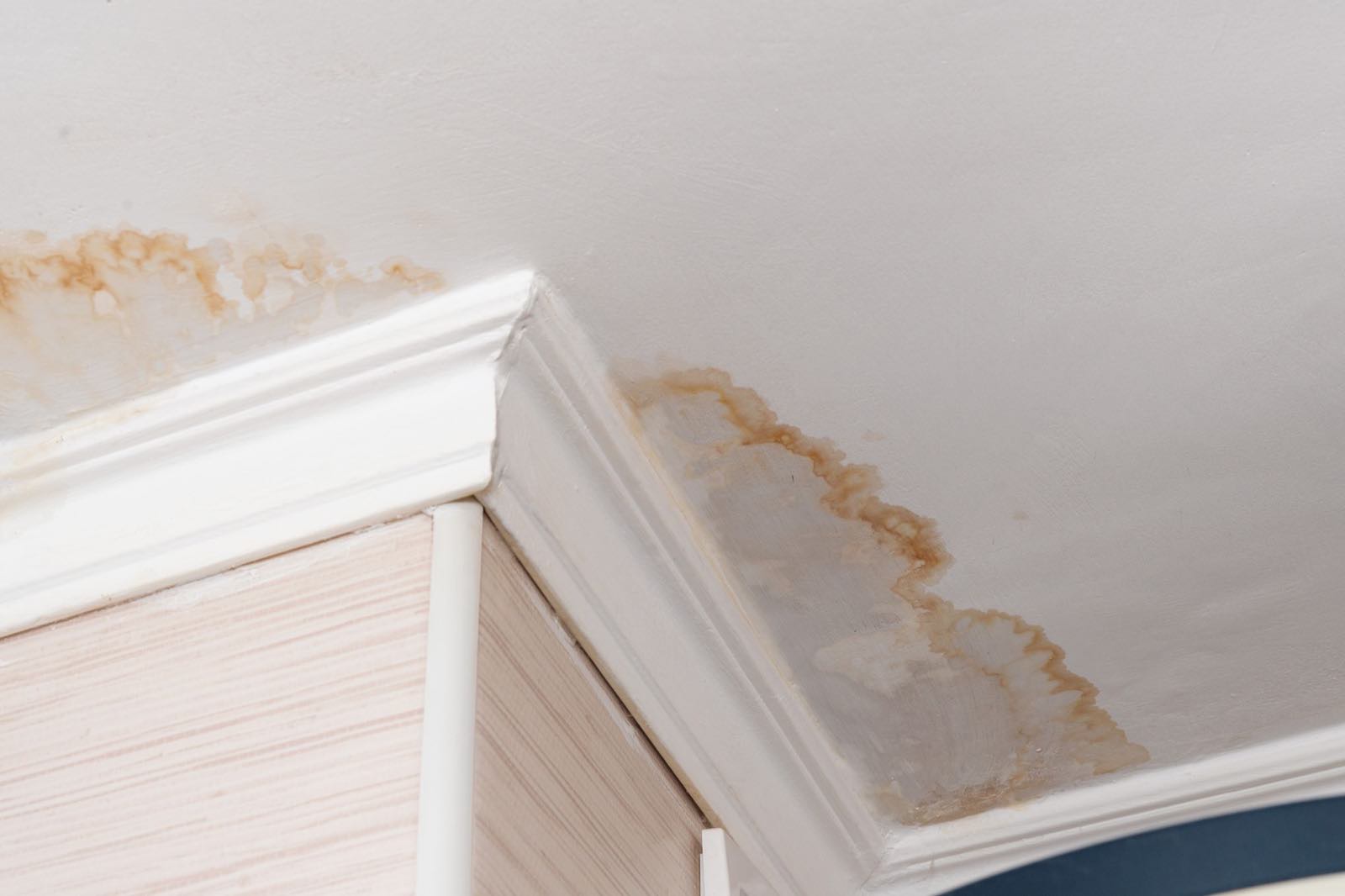
Penetrating damp comes in horizontally through the wall, from a defect, a cracked render, a leaking gutter or downpipe, failed pointing, a blocked cavity or a roof problem. It shows as localised patches that worsen after rain, often at any height.
Condensation is the most common cause of household damp, caused by warm moist air meeting cold surfaces, showing as black mould in corners, around windows and behind furniture. Its cure is ventilation and heating, not a damp course. Diagnosing which you have is the whole point of the survey, and it is exactly where our leak and damp diagnosis work comes in.
What a rising-damp DPC treatment involves
Where a survey confirms genuine rising damp, the standard treatment is a chemical damp-proof course, costing around £3,250 for a typical job. The process involves drilling a line of holes along the base of the affected wall and injecting a silicone-based damp-proofing cream or fluid that soaks into the masonry and forms a water-repellent barrier, stopping moisture rising further.
The job takes two to five days depending on the length of wall, and crucially it is only half the work. The old plaster on the affected wall is contaminated with ground salts that will keep drawing moisture and showing damp patches, so it must be hacked off and replaced with a salt-resistant render, at £450–£800 per room.
Most reputable DPC treatments come with a long guarantee, often 20 or 30 years, but that guarantee is only worth having if the diagnosis was correct in the first place, which is why we insist on a proper survey.
Replastering after damp treatment
Replastering is the part of a damp job that owners often underestimate, yet it is essential. After a chemical DPC, the salt-contaminated plaster must be removed to a height above the damp line and replaced with a specialist salt-resistant or renovating render, otherwise the wall will keep showing damp staining even though the rising damp itself has stopped.
This replastering costs £450–£800 per room, and the new plaster needs time to dry, often weeks, before it can be decorated, which is normal and worth waiting for.
For penetrating damp, replastering is only needed once the source has been fixed and the wall has dried out. We always price replastering and redecoration as part of a damp job, so you get a finished room rather than a treated but bare wall, and there are no surprise costs after the DPC is done.
Basement and cellar tanking
Below-ground rooms are a different problem entirely. A basement or cellar is surrounded by wet ground, so a chemical DPC is not the answer; the space needs tanking or a cavity drainage system, and this is the most expensive damp work at £3,000–£10,000 or more depending on size and method.
Tanking applies a waterproof barrier, a cement-based slurry or membrane, to the walls and floor to hold back water. Cavity drainage, the more robust approach, fixes a studded membrane to the walls behind a finished surface and channels any water that gets through to a sump and pump. The right method depends on the structure, the water table and how you want to use the space.
In London, where basement conversions are popular, getting this right is critical, because a failed waterproofing job in a finished basement is enormously expensive to put right. We assess the structure honestly and specify a system suited to how you will use the room.
Get a survey and fixed quote
Because the cure depends entirely on the cause, an honest damp quote starts with a survey and diagnosis, not a flat price for an injected damp course. We diagnose first, identify whether you are dealing with rising, penetrating or condensation damp, or a basement waterproofing issue, and only then price the treatment the building actually needs.
Your written quote will name the type of damp diagnosed, the treatment proposed, the replastering and decoration included, any guarantee, and VAT shown separately. If the real fix is a £200 gutter repair rather than a £3,250 DPC, we will tell you, because we would rather fix the cause than sell you a treatment you do not need.
Book a free survey with London Refurbishments and we will diagnose your damp properly and give you a clear fixed written quote for putting it right.
Frequently Asked Questions
How much does damp proofing cost in London?
Damp proofing in London starts with a £200–£500 survey and runs to around £3,250 for a full rising-damp DPC treatment, plus £450–£800 per room for salt-resistant replastering. Penetrating damp and condensation fixes are often cheaper, while basement tanking costs £3,000–£10,000 or more. Figures exclude VAT.
How much does rising damp treatment cost?
A full rising-damp chemical DPC treatment costs around £3,250 in London for a typical job, taking two to five days. You must also budget £450–£800 per room for salt-resistant replastering afterwards, because the contaminated old plaster will keep showing damp until it is replaced. Always confirm genuine rising damp with a survey first.
Do I need a damp survey before treatment?
Yes. A £200–£500 damp survey is essential because rising, penetrating and condensation damp look similar but need completely different treatments. Treating the wrong cause wastes money, and many free surveys from DPC-only firms reach a predetermined conclusion. We diagnose the actual cause first and recommend only what the building genuinely needs.
What is the difference between rising and penetrating damp?
Rising damp comes up from the ground through walls lacking a working damp course, showing as a tide-mark up to about a metre high with salt staining. Penetrating damp comes in horizontally through a defect such as a cracked render, leaking gutter or failed pointing, showing as patches at any height that worsen after rain.
How much does it cost to replaster after damp treatment?
Replastering after a chemical DPC costs £450–£800 per room in London using a salt-resistant or renovating render. This is essential, not optional: the old plaster is contaminated with ground salts and will keep showing damp staining until it is replaced. The new plaster needs several weeks to dry before decorating.