Kitchen vs Bathroom Renovation: Which Adds More Value?
Updated 12 June 2026|8 min read
If you can only do one, a kitchen usually adds more value than a bathroom in London, because it is the room buyers and tenants weigh most heavily and it influences how the whole property feels. A bathroom adds value too, especially when the existing one is dated or leaking, and at a lower cost. The best return often comes from doing both as part of a refurbishment, but where budget forces a choice, the kitchen normally wins on resale and the bathroom wins on cost-efficiency.
Why kitchens and bathrooms drive value most
Of all the rooms in a property, kitchens and bathrooms have the greatest influence on what a buyer will pay and a tenant will accept. They are the rooms people picture themselves using daily, they are expensive and disruptive to replace, and a buyer mentally deducts the cost, and the hassle, of replacing a tired one from their offer.
This is why estate agents and surveyors consistently point to these two rooms as the highest-impact improvements. A modern, functional kitchen and a clean, well-finished bathroom signal that a property has been looked after, which supports the asking price and speeds up the sale. Conversely, a dated avocado bathroom or a failing kitchen drags down the perceived value of every other room around it.
The question for most owners is not whether these rooms matter, but which to prioritise when budget or time means you cannot do both at once. The rest of this guide compares them on cost, on return, and on the specific expectations of London buyers and tenants, so you can spend where it counts most.
How a kitchen renovation affects value
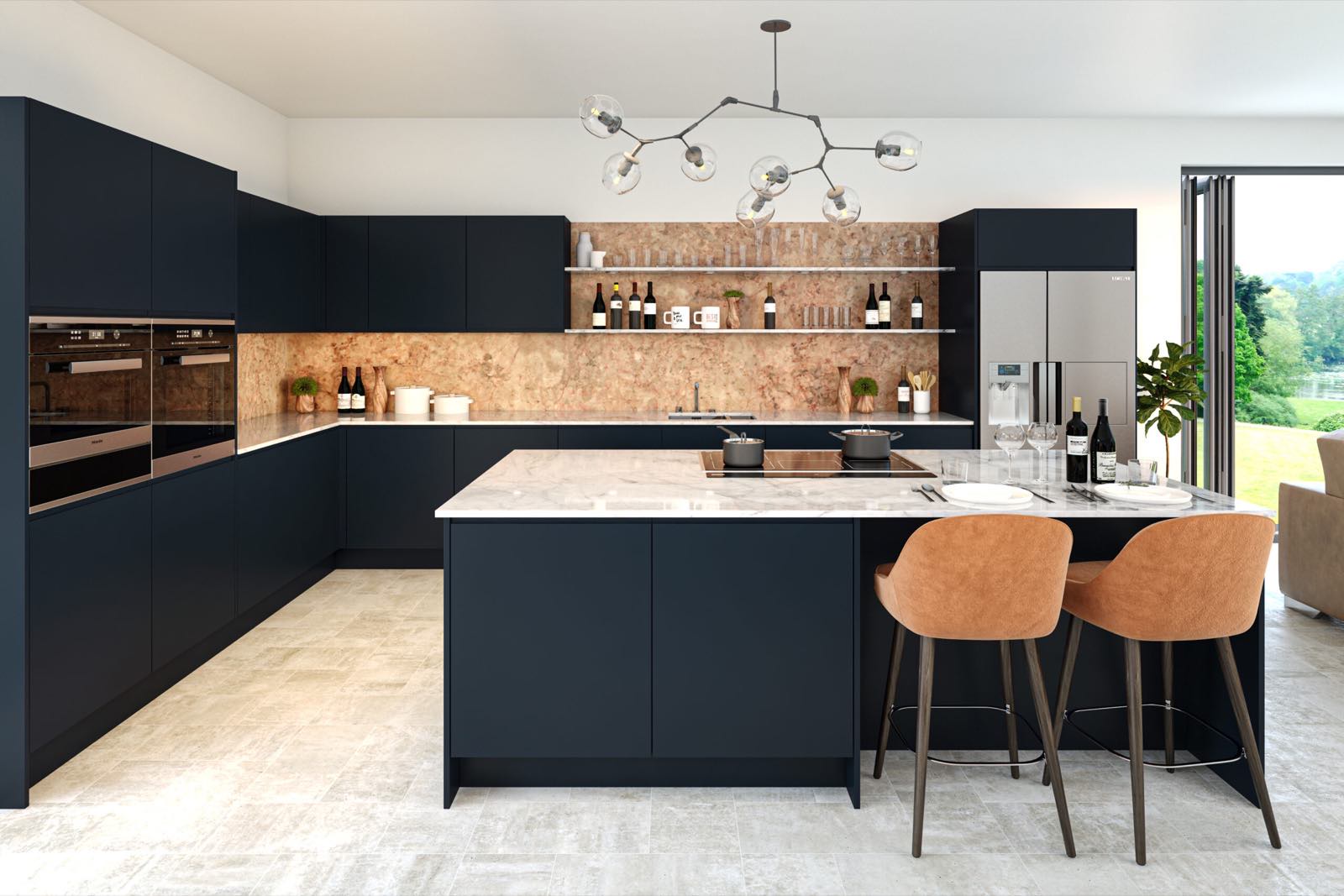
The kitchen is the room most often described as the heart of the home, and in valuation terms it earns the title. It is the single space buyers scrutinise most closely, and an open, modern, well-laid-out kitchen can lift the perceived value of the entire property in a way no other room can.
A kitchen renovation in London ranges widely: a solid, well-fitted standard kitchen starts around £8,000–£15,000, a good mid-range kitchen with quality units and worktops runs £15,000–£30,000, and bespoke kitchens reach £40,000 and beyond. The return is strongest where you are replacing something genuinely dated or dysfunctional; a new kitchen fitted into a property whose kitchen was already acceptable adds far less.
The risk with kitchens is over-investment. A kitchen costing more than roughly 5–7% of the property's value rarely returns its full cost on resale. The sweet spot is a clean, contemporary, well-planned kitchen in good but not extravagant materials, which presents superbly, satisfies buyers and tenants, and recovers a high proportion of its cost while making the property markedly easier to sell or let.
How a bathroom renovation affects value
Bathrooms punch above their weight. They are smaller and cheaper to renovate than kitchens, yet a fresh, clean, well-finished bathroom removes one of the most common reasons buyers and tenants hesitate, and a dated or grubby bathroom is a powerful deterrent at a viewing.
A bathroom renovation in London typically costs £4,000–£8,000 for a good standard refit, £8,000–£15,000 for a high-quality bathroom with large-format tiles and quality brassware, and more for a wetroom-grade installation. Because the spend is lower, the proportional return is often excellent: a £6,000 bathroom can transform the impression a property makes for a fraction of a kitchen's budget.
Bathrooms carry a hidden value dimension that kitchens do not: leak risk. A poorly installed or ageing bathroom is the most common source of water damage in flats, and the cost of repairing a leak into the property below dwarfs the cost of the original refit. Renovating a tired bathroom with proper waterproofing is therefore both a value improvement and a protection against the single most expensive repair most owners ever face. Where the existing bathroom is dated or showing signs of failure, it can be the higher-return choice.
Kitchen vs bathroom side by side
The honest answer to which adds more value is that it depends on which of yours is in the worse state and what your local market expects. The table below sets out how the two compare across the factors that matter, cost, resale impact, rental impact and risk, so you can weigh them against your own property rather than relying on a single headline.
Factor
Kitchen
Bathroom
Typical London cost
£8,000–£30,000+
£4,000–£15,000+
Resale impact
Highest single-room influence on buyers
Strong, especially if existing one is dated
Rental impact
Major influence on rent and speed of let
Removes a common viewing objection
Cost-efficiency
Higher spend, risk of over-investing
Lower spend, often excellent proportional return
Hidden risk
Less leak-prone
Leak risk; waterproofing protects against costly water damage
Prioritise when
Existing kitchen dated or poorly laid out
Existing bathroom dated, grubby or failing
Which should you prioritise?
If budget forces a choice, the deciding question is which of your two rooms is in the worse state relative to local expectations, because value comes from fixing the weakest link, not gilding the strongest.
Prioritise the kitchen when it is dated, awkwardly laid out or visibly worn, because it carries the greatest weight with buyers and tenants and sets the tone for the whole property. A poor kitchen will undermine an otherwise good home, and replacing it usually delivers the biggest single shift in how the property is perceived and priced.
Prioritise the bathroom when it is the eyesore, when it is dated, stained, cramped or showing signs of leaks, especially if the kitchen is already acceptable. A bathroom refit is cheaper, faster and less disruptive, so when the kitchen is passable you often get more value per pound by transforming the bathroom and protecting the property against water damage at the same time. As a rough rule: fix whichever room a buyer or tenant would complain about first.
Doing both as part of a refurbishment
When both rooms need work and you are refurbishing anyway, doing the kitchen and bathroom together is usually the most cost-effective path, because you share the disruption, the trades and the preliminaries across both.
The same plumber, electrician, tiler and decorator are on site for the project, skips and access are already arranged, and the mess is confined to one period rather than two separate disruptions months apart. Combining the works typically saves on overall labour and preliminaries compared with tackling them as two standalone jobs, and it presents the property as comprehensively updated rather than half-done, which buyers and tenants reward.
Within a whole-house refurbishment, kitchens and bathrooms together commonly absorb 30–40% of the budget, so planning them as a pair from the outset, rather than discovering the bathroom needs doing after the kitchen is finished, is also the smarter financial sequence. If you are already opening up the property for a refurbishment, addressing both wet rooms in one programme is almost always the better-value decision.
London buyer and tenant expectations
London buyers and tenants set a higher baseline than much of the country, and the level you renovate to should match the property and its area rather than a generic ideal.
In most of the London market, buyers and tenants expect a kitchen and bathroom that are clean, modern and move-in ready; they will discount visibly for anything dated or tired, and they value good natural light, sensible layouts and quality of finish. In prime central boroughs the expectation climbs to higher-specification finishes, but even there, over-personalised or extravagant choices rarely return their full cost.
The consistent rule across the market is to renovate to the top of your property's bracket, not beyond it. A kitchen or bathroom finished a notch above the local norm presents brilliantly and supports the price; one finished two or three notches above simply spends money the market will not return. Whether you choose the kitchen, the bathroom or both, the value comes from a clean, durable, well-executed result that meets London expectations, which is what we build for owners and landlords every week.
Frequently Asked Questions
Does a kitchen or bathroom add more value in London?
A kitchen usually adds more value because it is the room buyers and tenants weigh most heavily and it sets the tone for the whole property. A bathroom adds value too, at lower cost and often with strong proportional return, especially if the existing one is dated. If you can only do one, prioritise whichever of yours is in the worse state relative to the local market.
What is the best renovation for resale in London?
For resale, a clean, contemporary, well-laid-out kitchen typically gives the biggest single-room uplift, followed closely by a fresh, well-finished bathroom. The best overall result comes from updating both as part of a refurbishment so the property reads as comprehensively modernised. The key is to finish to the top of your area's bracket rather than over-specifying beyond what the local market will pay.
How much does a kitchen renovation cost in London?
A well-fitted standard kitchen starts around £8,000–£15,000, a good mid-range kitchen with quality units and worktops runs £15,000–£30,000, and bespoke kitchens reach £40,000 or more. As a rule of thumb, keep the spend within roughly 5–7% of the property's value to avoid over-investing, because a kitchen costing much more than that rarely returns its full cost on resale.
Is renovating a bathroom worth it before selling?
Usually yes, if the existing bathroom is dated, stained or cramped. A £4,000–£8,000 refit removes a common viewing objection, makes the property show better and, with proper waterproofing, protects against the leaks that cause the most expensive repairs. Because the spend is lower than a kitchen, the proportional return is often excellent, and it can be the higher-value choice when the kitchen is already acceptable.
Should I renovate the kitchen and bathroom at the same time?
If both need work and you are refurbishing anyway, yes. Doing them together shares the trades, access and preliminaries, typically saving on overall labour compared with two separate jobs, and confines the disruption to one period. It also presents the property as comprehensively updated rather than half-done, which buyers and tenants reward. Plan them as a pair from the outset, since together they often absorb 30–40% of a refurbishment budget.